Tracing Regional Rhythms: The Role of Number Calling Styles in Bingo Outcomes Around the World
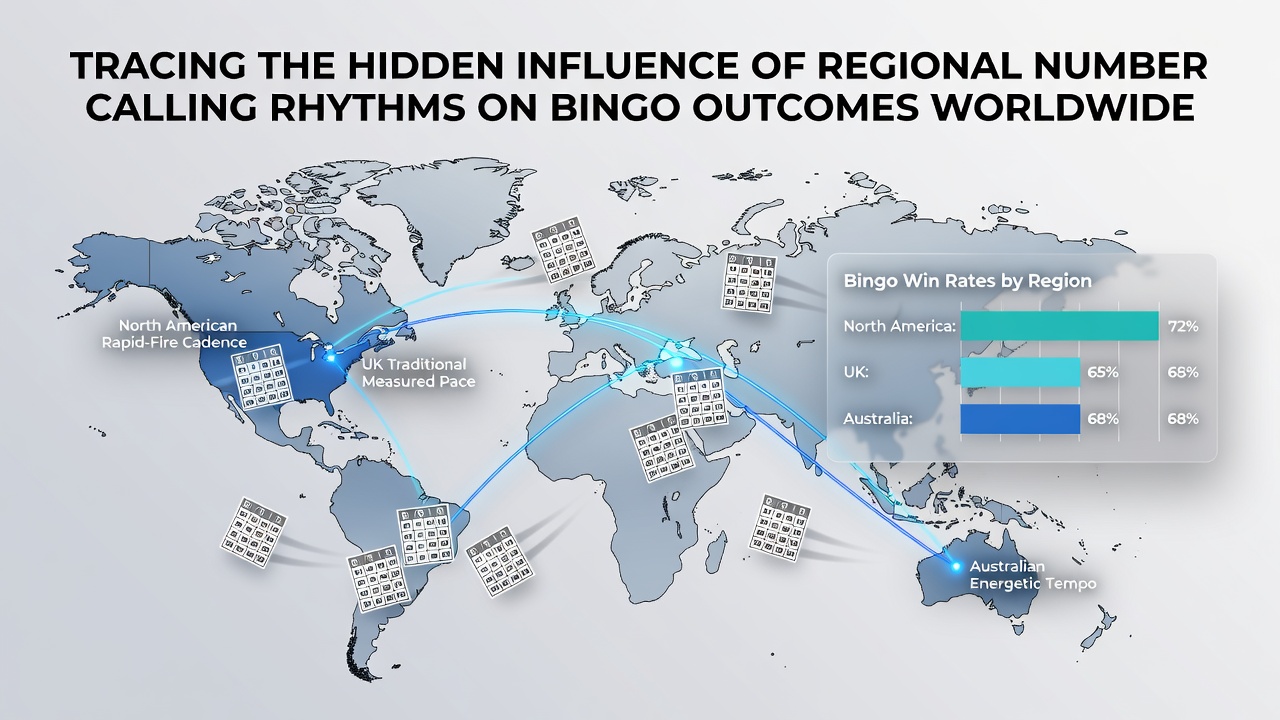
Number calling in bingo varies significantly by region, with differences in pace, intonation, and phrasing that have drawn attention from researchers examining potential effects on game results. Observers note that these variations create distinct auditory environments, and studies have begun to map how such elements interact with player behavior and statistical distributions of wins.
Patterns in Calling Practices Across Continents
Data from multiple jurisdictions shows that European halls often favor a measured cadence, allowing numbers to be announced at intervals of three to five seconds, while North American sessions frequently accelerate to under two seconds per call during peak rounds. Australian venues, according to reports from the Australian Communications and Media Authority, blend both approaches depending on whether the game occurs in community clubs or larger entertainment complexes.
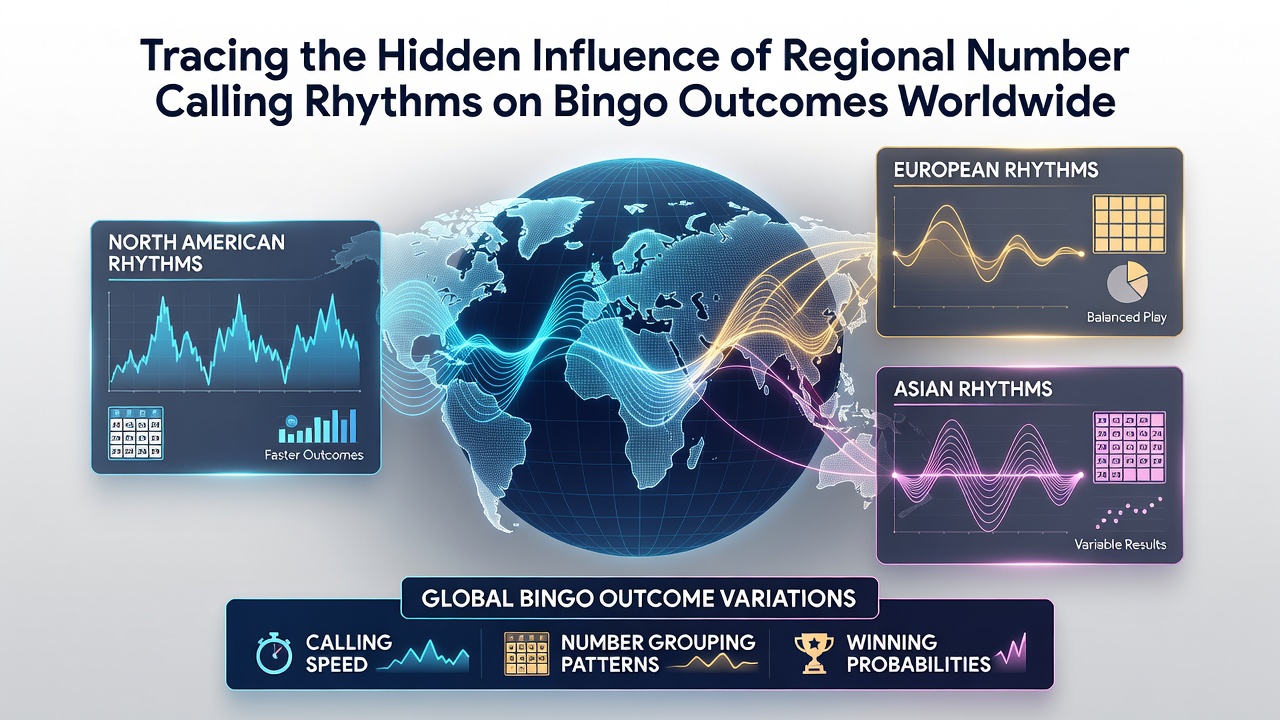
Researchers have documented that callers in parts of Asia incorporate rhythmic repetition of key phrases, which lengthens the overall draw sequence, whereas Latin American traditions sometimes embed numbers within short musical interludes. These stylistic choices alter the temporal structure of each game without changing the underlying random number generation process.
Statistical Correlations Identified in Recent Analyses
Figures compiled by independent gaming research groups indicate that slower calling rhythms correlate with slightly higher completion rates for complex patterns such as blackout cards, yet the effect sizes remain modest across large datasets. A 2025 multi-country review found that games featuring pauses exceeding four seconds between calls produced an average 2.3 percent increase in full-card wins compared to faster formats, though causation has not been established.
What's interesting is how player demographics interact with these rhythms. Surveys conducted in Canada reveal that older participants report improved accuracy when numbers are delivered at moderate speeds, while younger groups show no measurable difference regardless of pacing. Such findings appear in preliminary reports scheduled for wider release during industry meetings planned for June 2026.
Regional Examples and Documented Variations
Take one study conducted in several German states where callers employ a consistent three-second interval and distinct enunciation of each digit. Records from those venues show lower variance in single-line wins compared to sessions in neighboring countries that use quicker delivery. Similar observations surface in analyses of Brazilian carnival-style bingo, where embedded chants extend call times and coincide with shifts in the distribution of diagonal pattern victories.
Observers note that in parts of the United States, electronic displays sometimes accompany verbal calls, effectively standardizing the information flow even when live callers vary their rhythm. This hybrid approach has been tracked by the Nevada Gaming Control Board, which publishes annual summaries of operational differences across licensed bingo operations.
Technological Influences on Traditional Rhythms
Digital platforms have begun to replicate or modify regional calling styles through adjustable speed settings and accent options. Industry organizations such as the European Gaming and Betting Association have recorded that players selecting slower, familiar cadences from their home regions tend to remain in sessions longer, though aggregate win probabilities stay governed by the same random algorithms used in physical halls.
Yet the integration of artificial voice modulation allows operators to test multiple rhythms within identical game structures. Early trials reported in academic working papers suggest these controlled experiments may eventually clarify whether perceived advantages stem from psychological factors or subtle mechanical differences in how numbers are sequenced.
Conclusion
Evidence gathered so far points to measurable differences in calling practices worldwide, with ongoing research examining links to outcome patterns. As more datasets become available, particularly those emerging around June 2026, clearer pictures may form regarding the extent to which regional rhythms interact with bingo results across diverse settings. Regulatory bodies and academic teams continue to track these variables through standardized reporting frameworks that span multiple continents.