Recognition Errors in Bingo: Impacts from Calling Variations and Layout Differences
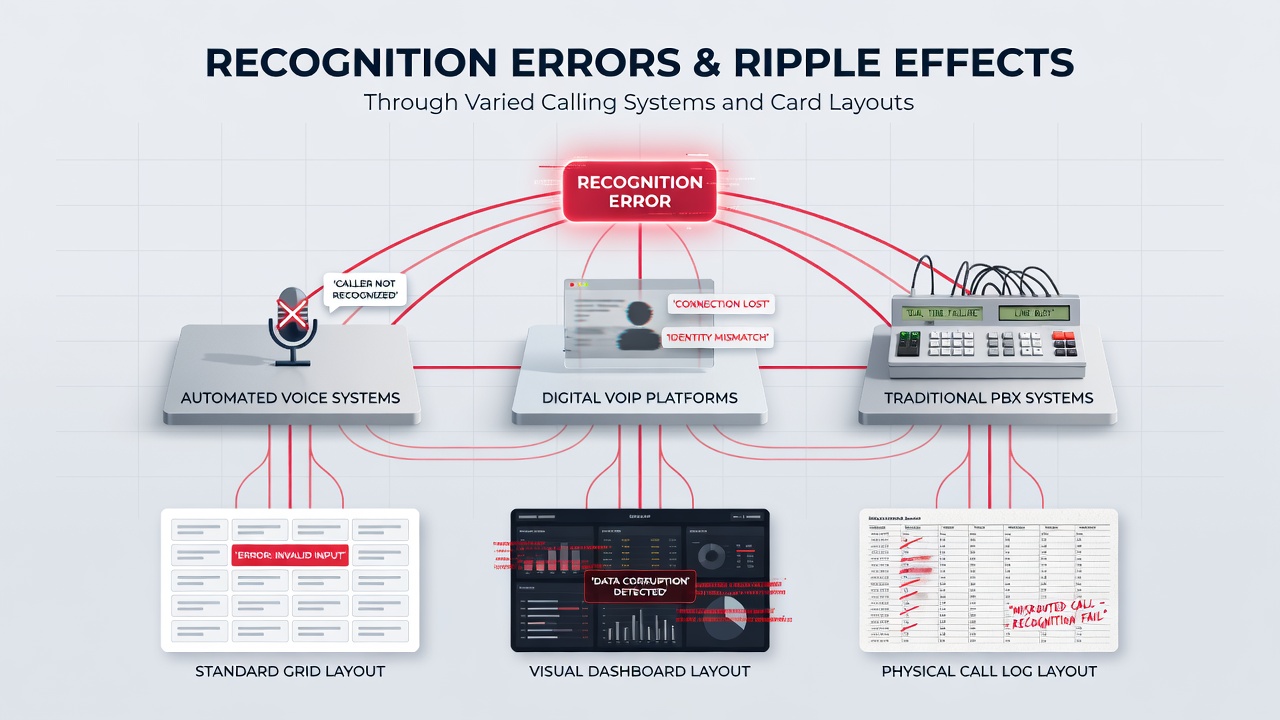 Recognition errors occur when players misidentify called numbers because of accents, speech patterns, or rapid delivery that varies across regions and venues, while card layouts compound these issues through dense grids or unconventional number arrangements that slow visual scanning. Observers note that such mistakes create immediate disruptions because one incorrect mark can invalidate potential winning lines or force players to restart their tracking process mid-round.
Calling Systems That Influence Recognition Accuracy
Different bingo formats rely on distinct calling conventions, and data from gaming regulators shows that 75-ball games in North American halls often feature quicker number announcements compared to the 90-ball structure common in other markets. The reality is that callers in electronic systems use synthesized voices calibrated for clarity, whereas live announcers introduce natural variations in pitch and speed that affect how numbers register with listeners. Researchers discovered through controlled observations that players exposed to unfamiliar regional dialects experience higher rates of mishearing, particularly with numbers like 13 and 30 or 14 and 40 that share similar vowel sounds.
What's interesting is how automated systems have evolved by June 2026 to include adjustable playback speeds and multilingual options, yet traditional halls continue relying on human callers whose delivery styles remain inconsistent across sessions. Studies found that adding visual confirmation on overhead screens reduces errors by providing a secondary cue, although this solution works best when the displayed digits match the spoken sequence without delay.
Card Layouts and Their Role in Visual Misreads
Standard bingo cards arrange numbers in five-by-five grids for 75-ball play or nine-by-three formats for 90-ball variants, and layout density directly affects how quickly participants locate the correct space after each call. Evidence suggests that cards with tighter spacing or non-sequential number placement increase the time required for accurate marking, which in turn raises the chance that a subsequent number arrives before the previous one has been processed. Those who've studied player behavior note that color-coded or highlighted sections on some modern cards help segment the grid, whereas plain black-and-white versions demand more sustained attention and lead to occasional skipped entries.
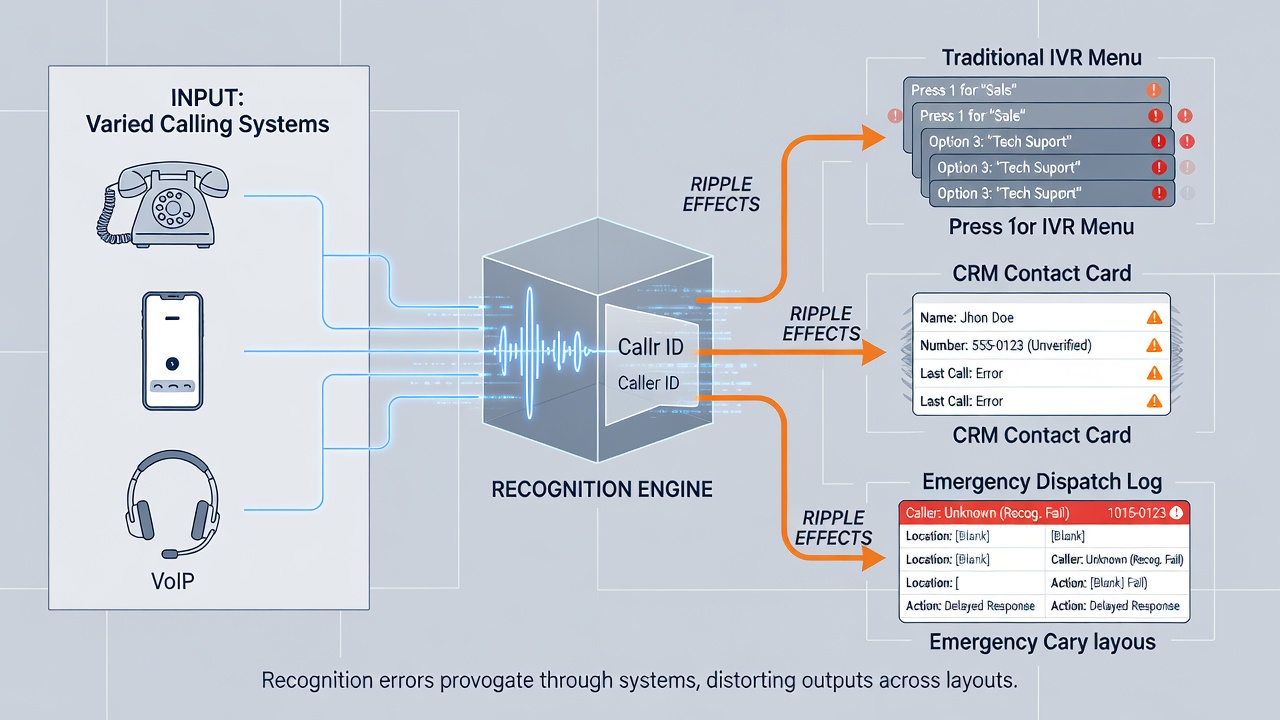
Take one researcher who examined error patterns across multiple venues and reported that participants using larger-print cards made fewer recognition mistakes than those relying on standard pocket-sized versions, especially under low-light conditions typical of many halls. The ripple begins when a single missed number forces adjustments to multiple potential winning combinations on the same card, turning what should be routine tracking into a more complex mental exercise.
Ripple Effects Across Game Flow and Outcomes
When recognition errors accumulate, games experience extended pauses while players verify marks or request number repeats, which alters the overall pace and can frustrate participants waiting for the next call. Figures reveal that venues tracking complaint logs attribute a measurable portion of disputes to mismatched perceptions between what was called and what appeared on individual cards. Industry organizations such as the American Gaming Association have documented how these interruptions affect prize distribution because an incorrectly marked card may produce a false claim that requires verification before payout.
Electronic bingo platforms attempt to mitigate the problem by highlighting called numbers automatically on digital cards, yet players who prefer physical versions still encounter the original challenges. Data indicates that hybrid setups combining paper cards with synchronized digital displays cut error rates noticeably, although adoption varies by region and operator preference. The ball's in the venue's court when deciding whether to invest in these tools or continue relying on traditional methods that leave room for human fallibility.
Regional and Technological Adaptations
Calling styles differ not only by country but also by specific operator, and reports from the Victorian Responsible Gambling Foundation highlight how Australian venues have tested slower announcement tempos to improve comprehension among diverse player groups. In contrast, some European operators have introduced accent-neutral voice synthesis as a standard feature in their systems by mid-2026. Observers note that card manufacturers have responded with optional overlays and magnifier strips that address layout-related visibility issues without changing the core game structure.
Those who've examined longitudinal data observe that venues implementing both clearer calling protocols and redesigned card templates report fewer mid-game corrections, which preserves momentum and reduces the likelihood of disputes escalating to management. The writing's on the wall that continued refinement in these areas will remain necessary as player demographics shift and technology offers new options for verification.
Conclusion
Recognition errors stemming from varied calling systems and card layouts produce measurable effects on game continuity, player satisfaction, and operational efficiency across bingo formats. Research indicates that targeted adjustments in announcement clarity and visual design yield measurable improvements in accuracy, while technological aids provide additional layers of support without replacing established practices. As formats continue evolving through 2026 and beyond, the interplay between human factors and layout choices will keep shaping how smoothly each round progresses from start to finish.