Bingo's Hidden Lexicon: Its Effect on Recognizing Wins Across Game Types and Platforms
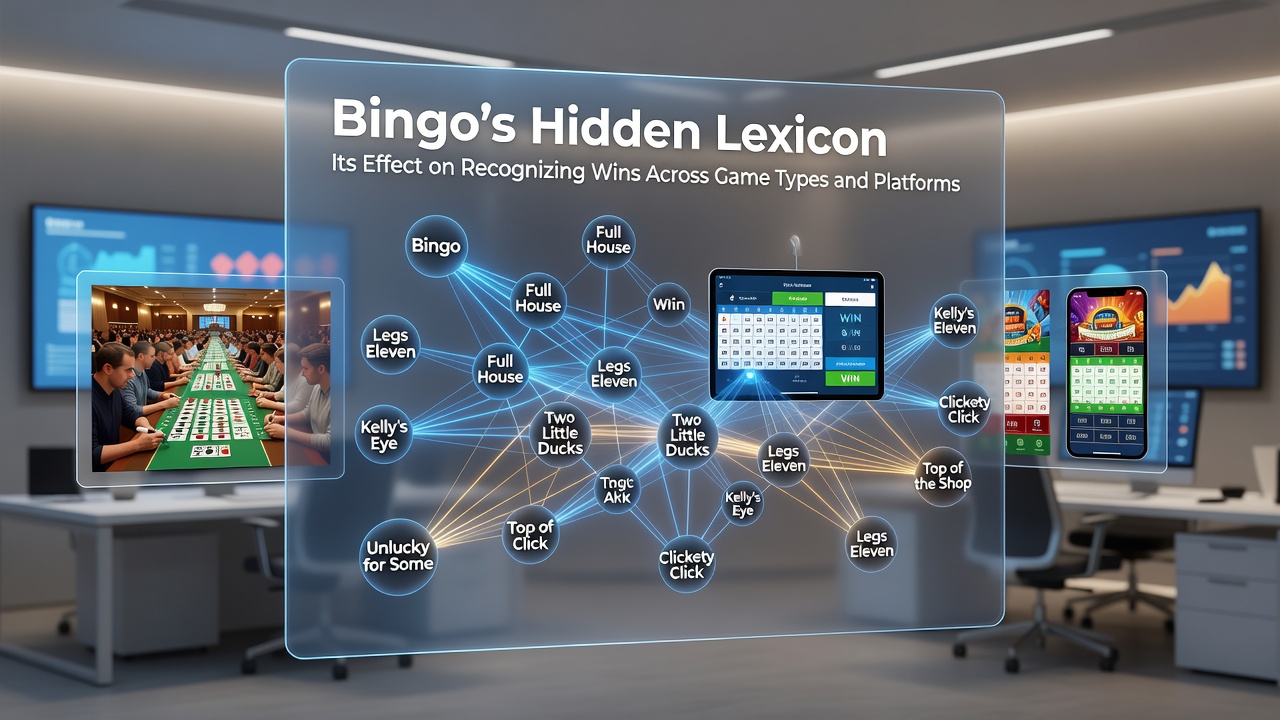
Bingo terminology encompasses a specialized vocabulary that includes both formal rules language and informal slang developed over decades across different regions and communities, and this lexicon shapes how participants identify winning combinations whether they play 75-ball formats in North America or 90-ball variants common in other areas. Observers note that terms such as "full house" for covering all numbers on a card or "two lines" for specific row completions carry precise meanings that players must internalize to avoid missing payouts during rapid number announcements. Researchers from institutions like the University of Nevada Las Vegas have documented how these phrases function as cognitive shortcuts that speed up pattern recognition yet create barriers when terminology shifts between game versions.
Core Elements of Bingo Terminology
Standard bingo vocabulary starts with basic calls like "B-7" but expands into regional nicknames such as "legs eleven" for the number 11 or "lucky seven" for 7, and these expressions appear consistently in live halls yet translate unevenly onto digital interfaces where text displays replace spoken words. Data from industry reports indicates that players familiar with traditional slang often scan cards faster during in-person sessions because auditory cues trigger automatic associations while those same individuals sometimes hesitate when platforms replace nicknames with numeric readouts alone. Studies conducted by academic teams in Australia have shown that consistent exposure to localized lexicon improves win detection rates by measurable margins across repeated sessions.
Variations Across Game Types
Seventy-five-ball bingo features a 5x5 grid with columns labeled B-I-N-G-O and requires players to recognize patterns ranging from simple lines to complex shapes like postage stamps or blackout cards, whereas 90-ball bingo uses a 9x3 grid divided into three horizontal rows where wins progress through one line, two lines, and finally a full house. Terminology adapts accordingly with 90-ball participants discussing "one line" wins in precise sequence while 75-ball groups reference "four corners" or "kite" formations that have no direct equivalent in the longer format. Evidence from regulatory analyses in Canadian provinces reveals that mismatches between learned terms and actual game layouts contribute to delayed win acknowledgments particularly when participants switch between the two styles without prior adjustment periods.
Platform Differences and Recognition Challenges
Land-based bingo halls rely on verbal announcements that incorporate the full lexicon including humorous or historical nicknames which help maintain engagement but can overwhelm newcomers during high-speed rounds. Online platforms on the other hand present numbers through visual grids and automated voices that standardize pronunciation while omitting regional slang and this shift alters recognition speed according to findings published by European gaming research centers. Players report that chat functions in digital environments sometimes introduce new shorthand like "GG" for good game or "dab" for marking numbers yet these terms rarely carry over to physical locations where traditional calls dominate. What's interesting is how hybrid apps now blend both approaches by offering optional nickname toggles that allow users to select their preferred lexicon layer before each session begins.
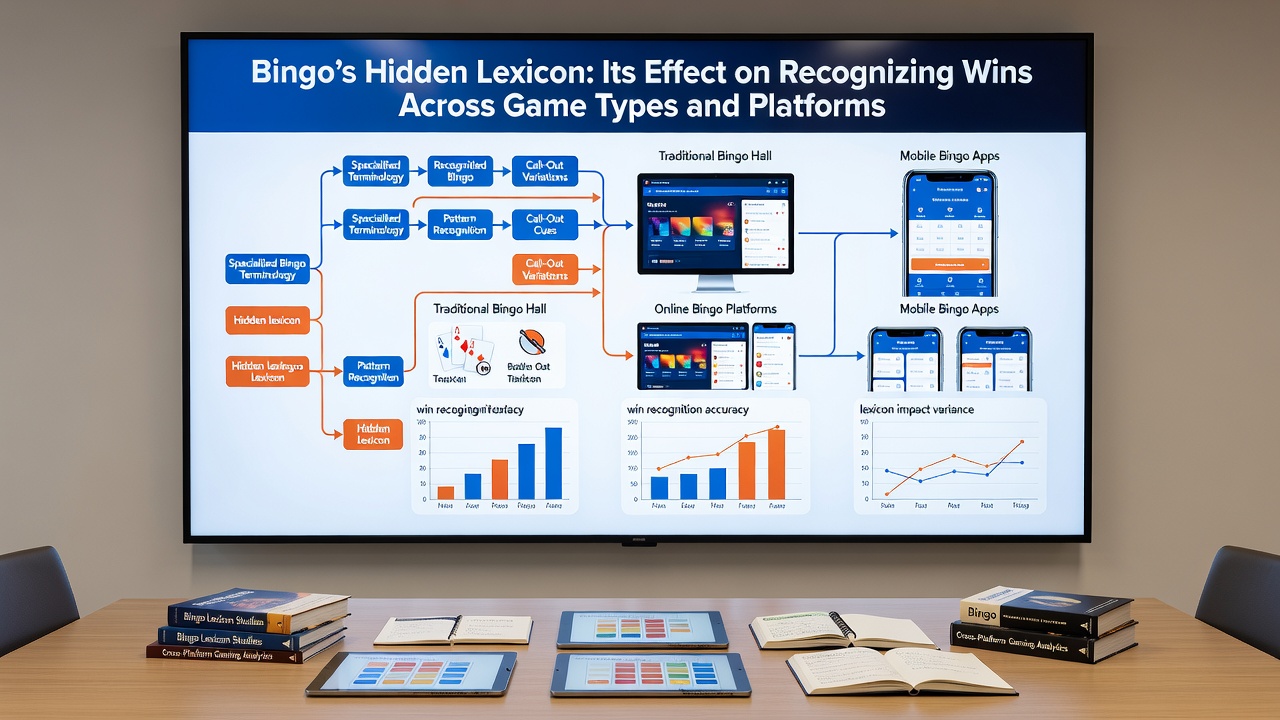
June 2026 marks the rollout of updated interface standards in several international bingo networks that incorporate customizable terminology settings and early testing shows these features reduce misrecognition incidents during multi-platform play. Regulatory bodies in Nevada have tracked similar updates and figures reveal improved player retention when lexicons align across formats rather than forcing adaptation each time a user changes environments. Those who've studied cross-platform data note that consistent terminology exposure correlates with higher accuracy in identifying progressive wins especially in tournaments that span both physical and virtual tables.
Regional and Cultural Influences on Lexicon Use
Bingo communities in different countries maintain distinct call lists that reflect local history and humor with British halls favoring extended rhymes while American sessions often stick to shorter direct references and these differences become pronounced when online platforms serve global audiences simultaneously. Research indicates that players who travel between regions or access international servers encounter friction when familiar terms disappear and new ones emerge without explanation and this friction directly affects the time required to confirm a winning pattern. Industry organizations such as the World Lottery Association have compiled glossaries to bridge these gaps yet adoption remains uneven across operators.
Conclusion
Bingo's hidden lexicon continues to evolve alongside technological platforms and game variations and its influence on win recognition remains a measurable factor in player performance across all formats. Data shows that alignment between spoken traditions and digital presentations supports faster accurate identifications while mismatches introduce delays that compound during fast-paced rounds. Continued documentation of these terms by research groups worldwide provides the foundation for future interface improvements that respect both heritage and innovation in equal measure.