Bingo Terminology and Its Ties to Number Announcements Across Varied Card Formats
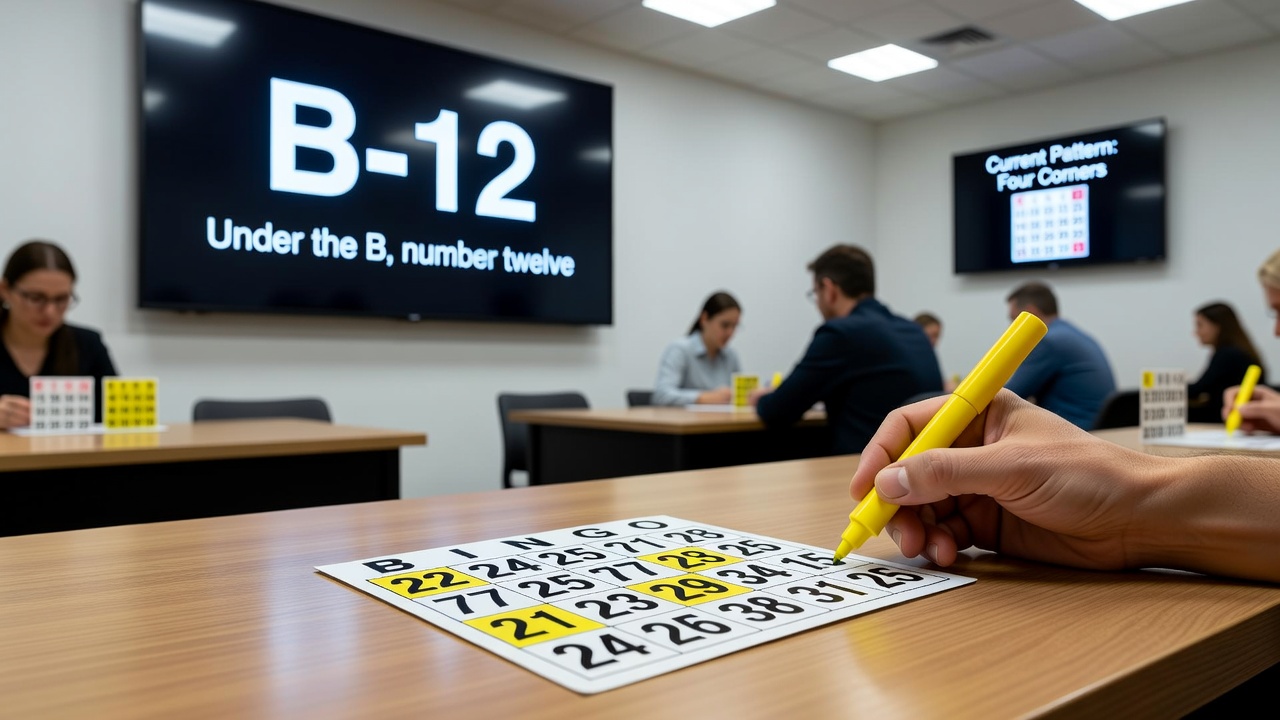
Bingo terminology forms the bridge between spoken or displayed number calls and the precise matching required on physical or digital cards, where each phrase corresponds to specific numbers and patterns that players must identify quickly. Observers note that this connection influences how games unfold in halls and online platforms alike, because accurate interpretation determines whether a player can claim a win before others do. Research from gaming studies shows that variations in terminology often align with regional calling styles, which in turn affect card layouts used in different jurisdictions.
Number Calling Practices and Their Linguistic Foundations
Traditional bingo calls rely on rhyming phrases and nicknames that have developed over decades, allowing callers to announce numbers in ways that reduce confusion during fast-paced rounds. For instance, "two little ducks" signals 22, while "legs eleven" denotes 11, and these phrases connect directly to the numerical sequences players scan on their grids. Data from industry reports indicates that such terminology helps maintain engagement in live settings, whereas digital platforms sometimes pair spoken calls with text displays to reinforce the same connections. In July 2026 several European operators tested integrated audio-visual systems that highlight these phrases on screens, demonstrating how terminology adapts to new formats without altering core number sequences.
Callers in North American venues frequently use a more straightforward numerical style compared to British traditions, yet both approaches require players to translate the announcement into the correct grid position. Studies conducted by the North American Gaming Regulators Association reveal that error rates drop when terminology remains consistent within a single session, because players develop familiarity with the specific phrasing used by each caller. This consistency matters especially on cards with 75-ball or 90-ball formats, where layout differences mean the same number occupies varying positions depending on the game variant.
Card Layouts and Pattern Recognition Through Terminology
Card layouts determine how terminology translates into winning patterns, since 75-ball cards feature 5x5 grids with a free space while 90-ball cards use 3x9 arrangements that require different matching strategies. Terminology such as "full house" or "four corners" directly references these layouts, guiding players to mark specific combinations once the corresponding numbers appear. Evidence from academic papers on recreational gaming suggests that players who understand these terms achieve higher completion rates across multiple card types, because the language itself encodes the rules of each pattern.
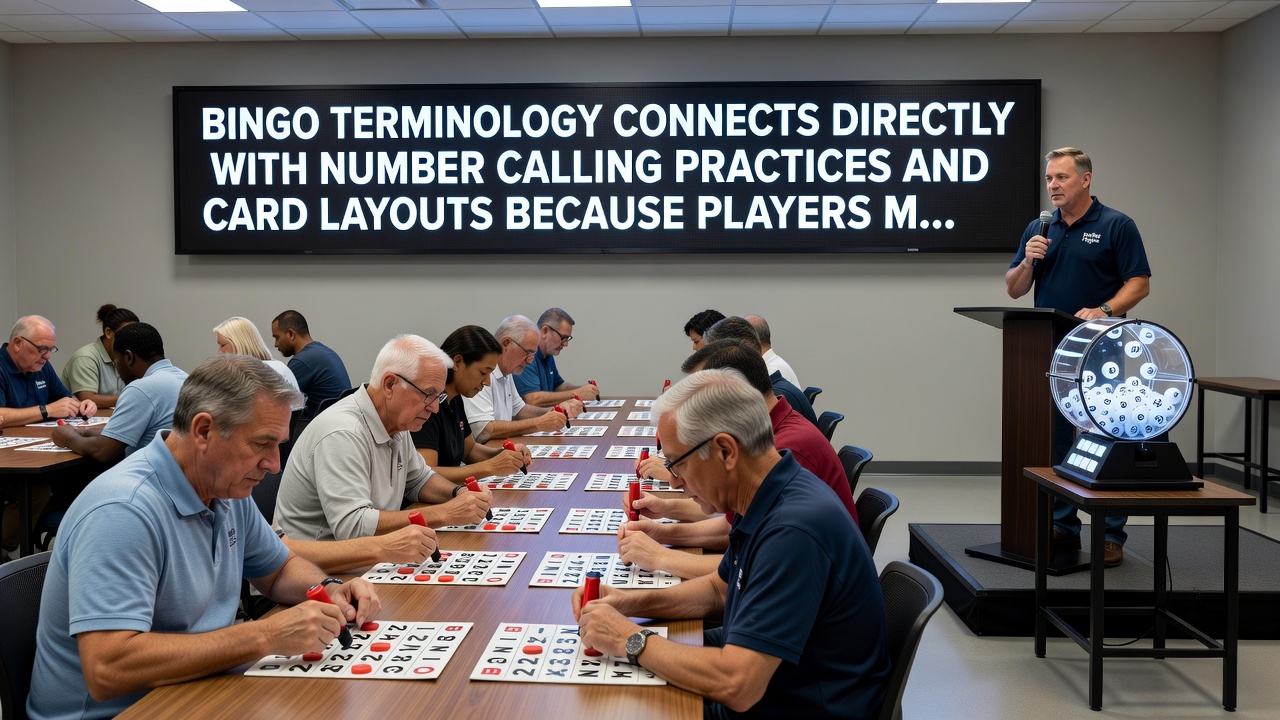
Regional differences in card design further illustrate the link, as Australian bingo often employs 45-ball cards with unique terminology for patterns like "two lines" that do not appear in UK or US versions. Those who have examined gameplay data note that mismatches between terminology and layout lead to delayed claims, particularly when international players encounter unfamiliar phrasing. The Australian Gambling Research Centre has documented how standardized glossaries distributed at venues help bridge these gaps, allowing participants to interpret calls accurately regardless of the card format in use.
Global Variations in Terminology and Their Impact on Gameplay
Terminology evolves differently across continents, which affects how number calls map onto card patterns in each location. European halls might employ phrases rooted in local culture, while North American games lean toward simpler descriptors that align with 75-ball grids. Research indicates that these linguistic choices influence recognition speed, because players must process both the spoken or displayed call and its corresponding position without hesitation. Observers have recorded instances where visitors from one region initially struggle with another area's terminology, resulting in missed patterns until they adapt to the local vocabulary.
Digital platforms introduce additional layers by displaying calls in multiple languages or formats simultaneously, yet the underlying connection between terminology and layout remains unchanged. Figures from international gaming associations show rising participation in cross-border tournaments during 2026, where standardized term lists help maintain fairness across diverse card designs. This adaptation demonstrates that terminology serves as the essential interpreter between announcement and action, regardless of whether the game occurs in a physical hall or through an online interface.
Conclusion
The relationship between bingo terminology, number calling practices, and card layouts creates a structured system that enables accurate pattern matching across varied game formats. Data from regulatory bodies and research institutions confirms that consistent use of established phrases supports smoother gameplay, while regional adaptations reflect the diversity of layouts used worldwide. As operators continue to refine both live and digital experiences, the core function of terminology in translating calls into marks on cards stays central to how participants engage with the game.